- +27 (0) 861 999 907
- +27 (0) 866 352 998

Reversing Damaged Nails: Road to Recovery
Damaged nails can be a frustrating and disheartening experience, whether caused by trauma, harsh treatments, or environmental factors. Fortunately, with the right care and attention, you can restore the health and appearance of your nails. This comprehensive guide will explore common causes of nail damage, effective treatments, and practical tips for achieving beautiful, healthy nails once again.
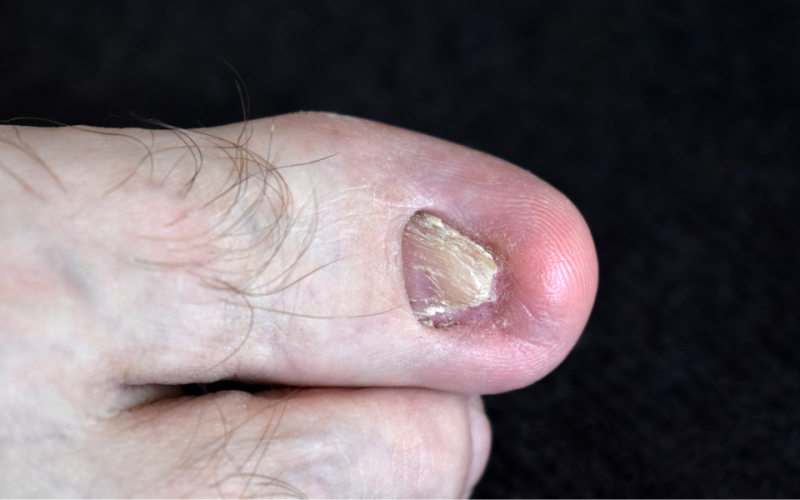
Understanding Nail Damage
Nail Trauma
Nail trauma can occur from various activities, such as accidentally hitting your nail against a hard surface or using your nails as tools. This type of damage can lead to cracks, splits, or even complete breaks. It’s essential to treat nail trauma promptly to prevent further injury, promote healing, and reversing damaged nails.
Nail Peeling
Peeling nails are often a sign of dryness or damage from harsh chemicals, such as those found in nail polish removers or cleaning products. Frequent exposure to water can also contribute to peeling, as it can weaken the nail structure.
Treatments for Damaged Nails
1. Keep Nails Clean and Hydrated
Maintaining proper nail hygiene is crucial for recovery. Clean your nails regularly with a gentle nail brush and mild soap to remove dirt and bacteria. Avoid harsh chemicals that can dry out your nails, and consider using a moisturizing hand cream or cuticle oil to keep your nails and surrounding skin hydrated.
2. Strengthening Treatments
Using a keratin treatment can significantly strengthen your nails and help prevent further peeling or breaking. Additionally, applying a protein-enriched base coat and a strengthening topcoat can encourage healthy nail growth and provide a protective barrier against damage.
3. Avoid Harsh Products
If your nails are damaged, it’s best to avoid using nail polish and removers that contain acetone, as these can exacerbate dryness and brittleness. Instead, opt for gentle, acetone-free removers and give your nails a break from polish to allow them to recover.
4. Regular Trimming and Filing
Keeping your nails trimmed and filed can help prevent further damage. Regularly file your nails to smooth out any rough edges and reduce the risk of snagging. When trimming, cut straight across to avoid ingrown nails, which can lead to additional trauma.
5. Nutritional Support
A balanced diet rich in vitamins and minerals is essential for nail health. Incorporate foods high in biotin, zinc, and protein, such as nuts, eggs, and leafy greens, to support nail strength and growth. Staying hydrated is also crucial, as proper hydration contributes to overall nail health.
6. Seek Professional Help
If your nails are severely damaged or not improving with at-home treatments, consider consulting a dermatologist or nail care professional. They can provide tailored advice and treatments to help restore your nails to their former glory.
Preventing Future Damage
To maintain healthy nails in the long run, adopt a few preventive measures:
- Wear gloves when doing household chores or using harsh chemicals.
- Limit exposure to water by using gloves during washing or cleaning.
- Avoid biting your nails or picking at your cuticles, as this can lead to trauma and infections.
Reversing damaged nails is a journey that requires patience and consistent care. By understanding the causes of nail damage and implementing effective treatments, you can restore the health and appearance of your nails. Remember, healthy nails are a reflection of your overall well-being, so prioritize their care and enjoy the confidence that comes with beautiful, strong nails!